Development ·
The Rise of Branded Residences in Miami
Luxury real estate has traditionally been defined by three fundamentals: location, architecture and scarcity.
Increasingly, there is a fourth: brand.
Branded residences have become one of the fastest-growing segments of global luxury property, combining private ownership with the design standards, service and identity traditionally associated with leading hospitality and luxury companies. [1]
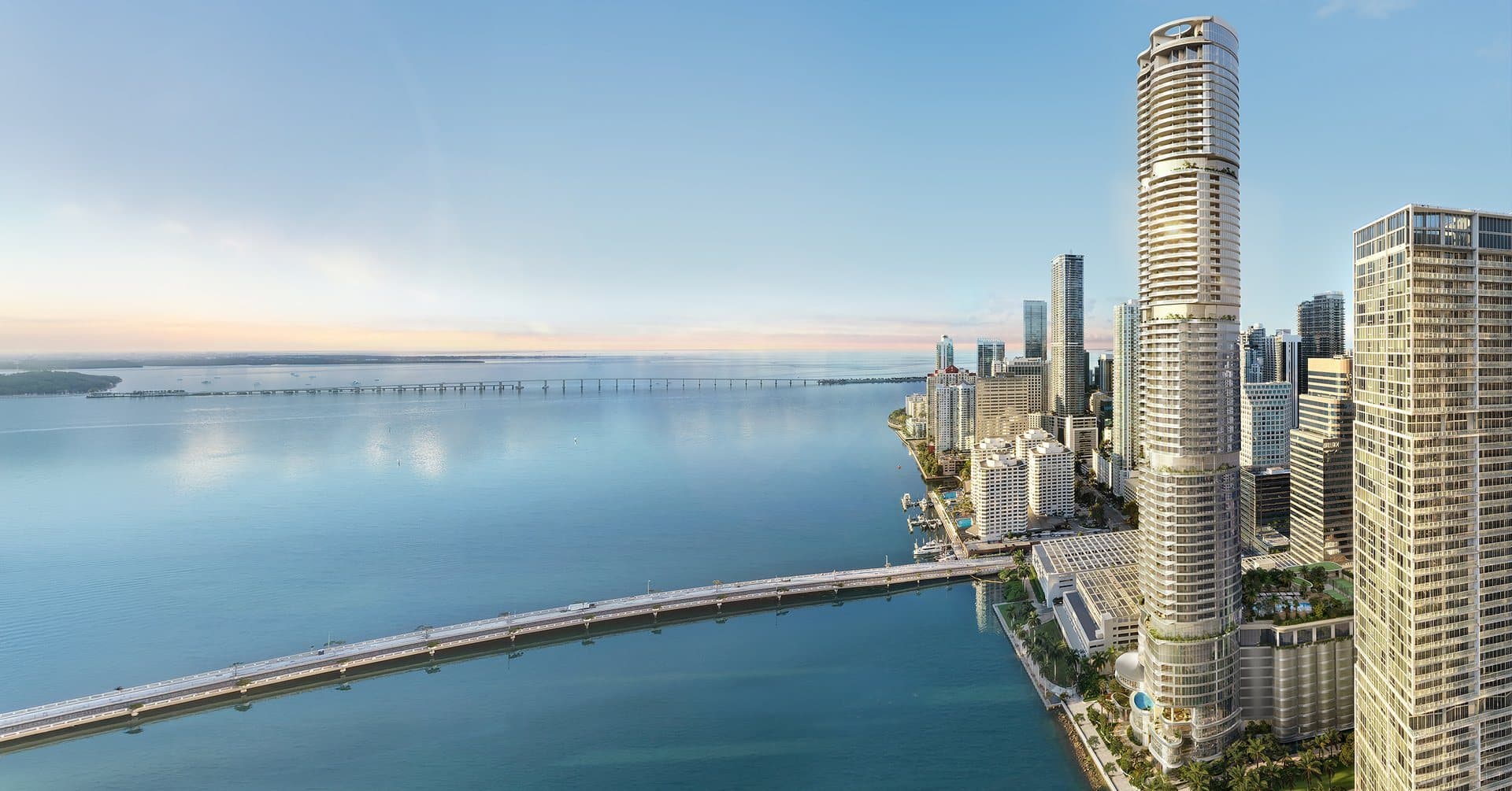
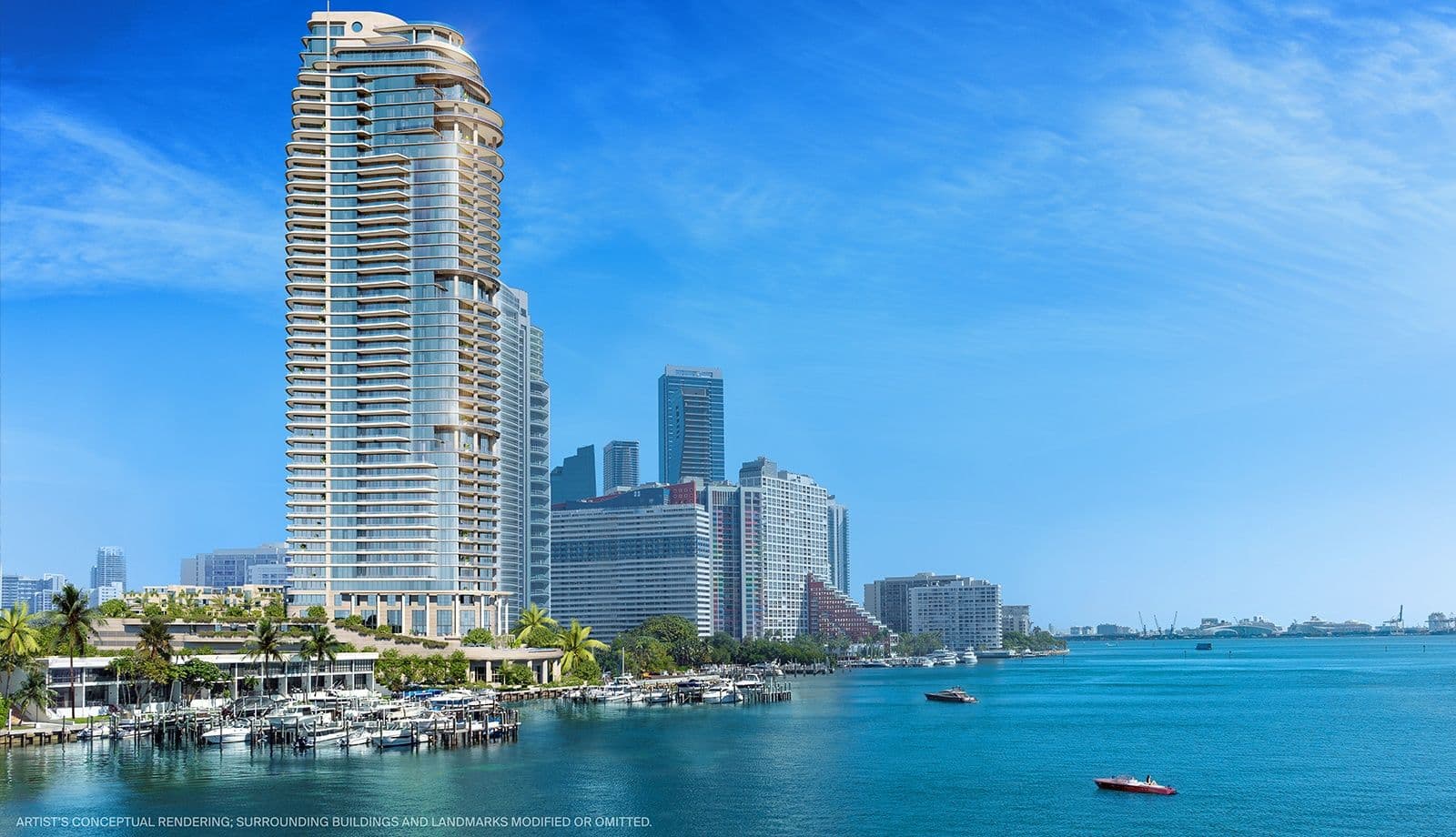
Miami has become one of the world's most visible examples of that transformation. Knight Frank ranks it as the world's second-largest market for branded residences. [2]
What Buyers Are Actually Buying
The appeal of a branded residence goes beyond placing a recognizable name on a building.
The strongest projects translate the brand into the owner's everyday experience: arrival, interior design, concierge service, wellness, dining, security, housekeeping and other aspects of property management.
For internationally mobile owners, that consistency can be particularly valuable.
Instead of purchasing an apartment and independently assembling the infrastructure required to maintain it, buyers can acquire a residence designed around a more complete service environment.
Knight Frank describes a broader shift toward this type of ownership, noting increasing demand for turnkey, managed residences among ultra-high-net-worth buyers. [3]
A Global Movement
The growth extends far beyond Miami.
Knight Frank's 2026 Global Branded Residence Survey examined nearly 1,800 operating and pipeline projects across 90 countries. The number of branded residence schemes grew from 354 in 2015 to 903 by the end of 2025, and the firm projects the sector to exceed 1,000 developments during 2026. [1]
The definition of a "brand" is expanding as well.
Hotel operators remain central to the sector, but fashion, automotive and other luxury brands are increasingly entering residential development. Knight Frank projects non-hotel brands to grow from around 30% of schemes in 2025 to almost 40% by 2028. [1]
Miami has been at the forefront of this experimentation, creating a market where internationally recognized hospitality, automotive and lifestyle names compete for luxury buyers. [2]
Beyond the Logo
As branded developments multiply, however, the presence of a famous name alone becomes less differentiating.
Knight Frank has specifically identified Miami as a market where the abundance of branded residences is increasing competition among projects. [2]
That changes the question buyers should ask.
Not simply:
"Which brand is attached to the building?"
But rather:
"What does this brand actually add to ownership?"
Exceptional branded residences must ultimately justify themselves through the quality of the property itself—its architecture, location, service, privacy, management and experience.
The brand may open the door.
The residence still has to deliver.
Sources
- 1.Knight Frank, "The Global Branded Residence Survey 2026," September 2026. www.knightfrank.com/research/article/2026/9/residence-report-2026-global-survey-results
- 2.Knight Frank, "Residence Report 2026: America's luxury property boom," September 2026. www.knightfrank.com/research/article/2026/9/residence-report-2026-US-luxury-property-boom
- 3.Knight Frank, *The Residence Report 2026*. www.knightfrank.com/research/reports/global/the-residence-report